Our Directorates

Organisational Safeguarding

Our Directorates

Organisational Safeguarding

Driving safeguarding standards across the NSPCC, Organisational Safeguarding leads on strategy, quality, and inspection to protect children everywhere. They help shape policy, champion best practice, and ensures every child is safe.

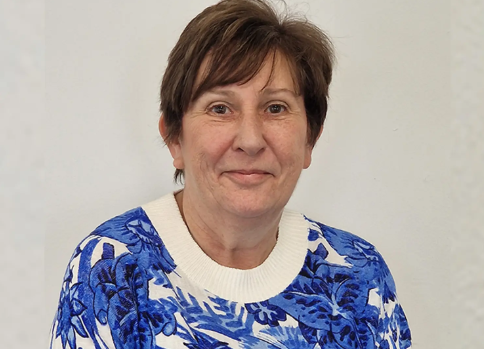
Tracey Holdsworth

Tracey Holdsworth

Executive Director of Organisational Safeguarding 

“In Organisational Safeguarding, we are committed to effective governance with a passion to drive a strong safeguarding culture throughout our organisation, where keeping children safe is at the heart of everything we do. I love being part of such an inspirational group of people, where what we do, and how we do it is of equal importance. This gives me the spirit to champion making a positive difference – join us, and together we can make the changes needed for ALL our children.”


passing

Why join Organisational Safeguarding?

At the NSPCC, safeguarding isn’t simply something we deliver through our services. It needs to shape how we think, make decisions, manage risk and hold ourselves accountable across the whole organisation. That’s where Organisational Safeguarding comes in.

You’ll use your expertise to provide challenge, assurance and practical support, helping colleagues recognise risk, strengthen practice and continually improve the way we keep children safe.

Your work could involve shaping our strategic approach to safeguarding, independently reviewing how effectively our services manage risk, or supporting colleagues to develop consistently high standards of practice.

You’ll be part of a specialist directorate where professional expertise is valued and thoughtful challenge is welcomed. It’s an opportunity to influence safeguarding far beyond one team or service and help make sure our commitment to children is reflected in what we do, how we do it and how we learn.

person in office

About Organisational Safeguarding

Our Organisational Safeguarding directorate helps make sure safeguarding remains at the heart of the NSPCC.

We bring together specialist expertise in safeguarding, inspection, quality and practice to provide oversight, assurance and support across the organisation.

That means looking at safeguarding from different perspectives. We help identify and manage strategic risk, independently examine the quality and safety of our services, and support colleagues to strengthen professional practice.

Our role isn’t simply to check whether standards are being met. It’s to ask what we can learn, where practice could be stronger and what needs to change.

By combining independence with collaboration, we help create an organisation that is willing to challenge itself, learn from experience and continually strengthen the way it protects children.

raising hand

Our teams

Our Organisational Safeguarding teams bring together three areas of specialist expertise, each providing a different perspective on how we strengthen safeguarding across the NSPCC.

  • Our Safeguarding Unit champions safeguarding at an organisational level. The team provides specialist oversight and advice, helping the NSPCC understand and manage strategic safeguarding risk and ensuring safeguarding remains central to organisational decision-making. They work with colleagues and leaders across the NSPCC, bringing expertise, challenge and perspective to complex issues and helping create a strong and consistent safeguarding culture.
  • Our Inspection Unit provides independent and objective assurance about the quality and safety of our services. Through inspection, the team looks carefully at how safeguarding risks are being managed and whether our services are working in the best interests of children and families. Their work helps us understand what is working well, where improvements are needed and what we can learn, creating valuable opportunities to strengthen practice across the organisation.
  • Our Quality and Practice team brings specialist social work expertise to the way we understand and improve practice. Our Consultant Social Workers support the delivery of our Quality Assurance Framework, working with colleagues to examine the quality of practice, identify learning and help embed improvement. They bring professional expertise alongside curiosity and constructive challenge, helping make sure learning translates into stronger practice for children.

What we’re looking for

Professional curiosity

Strong safeguarding practice starts with being willing to look beyond the obvious. You’ll ask thoughtful questions, explore what sits behind the information you’re given and remain open to different explanations. When something doesn’t quite make sense, you’ll be prepared to look further rather than accepting the easiest answer.

Courage to challenge 

Safeguarding sometimes requires us to have difficult conversations. You’ll be comfortable raising concerns, questioning established practice and offering a different perspective when it matters. You’ll do that constructively and respectfully, recognising that good challenge is about helping us become stronger, not finding fault.

Sound and independent judgement

Our work often involves complex information where there may not be one straightforward answer. You’ll weigh evidence carefully, recognise different perspectives and use your professional expertise to reach considered conclusions. You’ll be able to maintain objectivity while understanding the real-world context behind the decisions and practices you review.

Integrity and accountability

Trust sits at the heart of safeguarding. You’ll take responsibility for the quality of your work, be open about what you find and act consistently with the standards we expect of ourselves. You’ll understand that doing the right thing can sometimes mean asking uncomfortable questions or bringing attention to something that needs to change.

Collaboration and influence

Providing independent challenge doesn’t mean working at a distance from the organisation. You’ll build trusted relationships with colleagues and leaders, communicate complex issues clearly and help others understand what strong safeguarding practice looks like. You’ll know how to challenge while bringing people with you, turning expertise and insight into meaningful improvement.

View open roles

The application process

What to expect when you apply for a role with the NSPCC

 
Tell us if you have the
right to work in UK
 
arrow left
uk map
arrow right
 
Create an online account
Find the role you’re interested in and click ‘apply now’ on the job description page
question mark
person
 
Did you know?
Once you have created an account, you can dip in and out of this process and come back to it
 
Find the role you’re interested in and click ‘apply now’ on the job description page
down-arrow
Tell us if you have the
right to work in UK
down-arrow
Create an online account
down-arrow
Did you know?
Once you have created an account, you can dip in and out of this process and come back to it

 
Make sure you fill in all of the mandatory sections in full
 
arrow left
tick
arrow right
Log in to your
online account
 
exclamation mark
laptop
question mark
Please spend some time on the ‘Supporting Information’ section. Provide examples to evidence how your skills and experience meet our person specification, as we use ONLY this information to shortlist applicants for interviews.
 
Did you know?
If you meet our person specification and declare a disability, you’ll automatically be shortlisted for interview
 
Log in to your online account
down-arrow
Make sure you fill in all of the mandatory sections in full
down-arrow
Please spend some time on the ‘Supporting Information’ section. Provide examples to evidence how your skills and experience meet our person specification, as we use ONLY this information to shortlist applicants for interviews.
down-arrow
Did you know?
If you meet our person specification and declare a disability, you’ll automatically be shortlisted for interview

 
If not, you will
be invited to share your experience.
 
arrow left
thumb up
arrow right
conversation
 
folder
We’ll contact you either way to let you know if your application has been successful. If so, we’ll invite you to a panel interview.
question mark
If you’re through to interview, you should start gathering information you’ll need for the next stage of the process, like employment references and address history for the last five years
 
Did you know?
You can contact our People team on 0113 887 1122 if you have any questions about the process at this stage
 
We’ll contact you either way to let you know if your application has been successful. If so, we’ll invite you to a panel interview.
down-arrow
If not, you will be invited to share your experience
down-arrow
If you’re through to interview, you should start gathering information you’ll need for the next stage of the process, like employment references and address history for the last five years
down-arrow
Did you know?
You can contact our People team on 0113 887 1122 if you have any questions about the process at this stage

 
The interviews might be face-to-face or online, depending on the role
 
arrow left
person with laptop
arrow right
people
 
speach bubble thumbs up
Our interview processes will explore your skills, knowledge and values – and this can be done over more than one stage.
question mark
We’ll always provide feedback to all applicants following their interview, whether successful or not
 
Did you know?
Our interview panels are made up of the hiring manager for the role and a range of other relevant professionals selected from across our organisation
 
Our interview processes will explore your skills, knowledge and values – and this can be done over more than one stage.
down-arrow
The interviews might be face-to-face or online, depending on the role
down-arrow
We’ll always provide feedback to all applicants following their interview, whether successful or not
down-arrow
Did you know?
Our interview panels are made up of the hiring manager for the role and a range of other relevant professionals selected from across our organisation

 
If you’re successful, we’ll give you a conditional offer, and ask for more info so we can complete our safeguarding checks and referencing procedures
 
arrow left
hand shake
arrow right
speech bubbles
 
loud hailer
You’ll hear directly from the hiring manager after your interview, with feedback if unsuccessful
question mark
You can contact your hiring manager directly at any point during this stage.
 
Did you know?
We do this for all roles – some are more in-depth than others – and we can’t make any final offers until these are completed
 
You’ll hear directly from the hiring manager after your interview, with feedback if unsuccessful
down-arrow
If you’re successful, we’ll give you a conditional offer, and ask for more info so we can complete our safeguarding checks and referencing procedures
down-arrow
You can contact your hiring manager directly at any point during this stage.
down-arrow
Did you know?
We do this for all roles – some are more in-depth than others – and we can’t make any final offers until these are completed

 
Due to the nature of our work, it is important we complete a variety of checks and vetting procedures, which will vary with each type of role.
 
arrow left
clipboard
arrow right
refresh
 
reading
While the referencing process is taking place, we’ll regularly update you on its status
question mark
We’ll also share a welcome pack, so you can start getting a feel for the role and our organisation before you start
 
Did you know?
We need to rely on third parties to complete criminal records checks, and this can cause delays outside of our control (sometimes around 6-8 weeks).
 
While the referencing process is taking place, we’ll regularly update you on its status
down-arrow
Due to the nature of our work, it is important we complete a variety of checks and vetting procedures, which will vary with each type of role.
down-arrow
We’ll also share a welcome pack, so you can start getting a feel for the role and our organisation before you start
down-arrow
Did you know?
We need to rely on third parties to complete criminal records checks, and this can cause delays outside of our control (sometimes around 6-8 weeks).

 
They’ll email you with all the details you need before you start, including your contract of employment and your start date
 
arrow left
calendar
arrow right
speaking
 
laptop
Your hiring manager will get back to you directly to confirm your final offer
question mark
You’ll receive an induction email – with a welcome message from our CEO, information on what to expect, your team, available training and groups you can join
 
Did you know?
Once you start, we’ll email you with a link to the ‘New starters’ page on our intranet, the Green.
 
Your hiring manager will get back to you directly to confirm your final offer
down-arrow
They’ll email you with all the details you need before you start, including your contract of employment and your start date
down-arrow
You’ll receive an induction email – with a welcome message from our CEO, information on what to expect, your team, available training and groups you can join
down-arrow
Did you know?
Once you start, we’ll email you with a link to the ‘New starters’ page on our intranet, the Green.

final step
man on phone

Find roles near you

Have a look at our open roles near where you live:

1 miles

Prefer to work from home?

Talent Pools

We usually have a wide range of opportunities and we’re always on the lookout for great talent! Please join our talent pool so we can keep you updated on what is happening at NSPCC and let you know about any future roles that come up.

Welcome, I'm the NSPCC Bot and I'm here to help