Our Directorates

Services

Our Directorates

Services

Within the Services directorate, you'll use your skills to help deliver, strengthen and support services that make a difference for babies, children, and young people. 

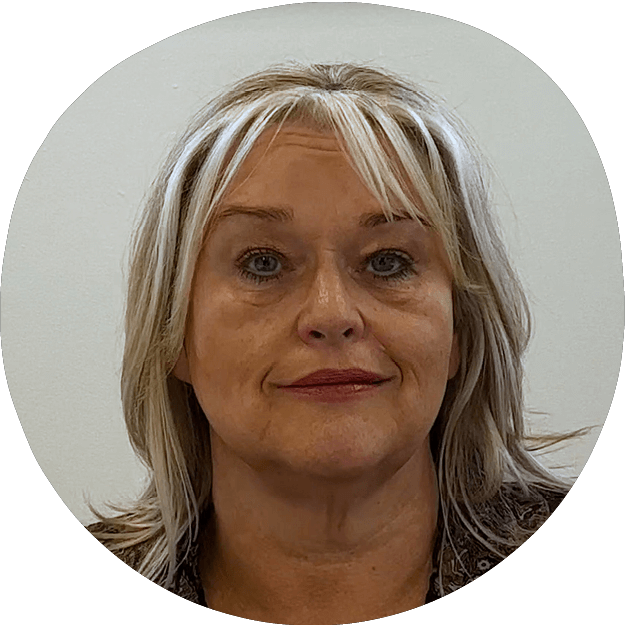
Kate Dexter - Interim Director of Services at the NSPCC

Kate Dexter

Executive Director of Services

“As a team, we pride ourselves on delivering high quality services, working in a culture of learning and support. It’s important to me that everyone, volunteers and employees, working within Services feels heard and valued and supported to share good practice and ideas.  We welcome and value difference, recognising that, whilst we all work together to achieve our goals to service babies, children and young people, everyone brings unique talents, experiences and strengths to the work we do.  We look forward to welcoming you into the Services team.”
woman helping kids

Why join Services?

In Services, the connection between your work and our purpose is never far away. You could be supporting a child through Childline, helping an adult take action when they’re worried about a child, working alongside children and families in their communities, developing the skills of safeguarding professionals, or making sure our services have the systems, insight and support they need to work effectively.

The roles are varied, but they share something important: a focus on making things better for children. You’ll join colleagues who bring expertise, compassion and professional judgement to complex work. People share what they know, learn from one another and continually look for ways to strengthen the support we provide.

And because this can be challenging as well as rewarding work, support matters. You’ll have opportunities to develop your skills, reflect on your practice and build a career where your contribution has a clear sense of purpose.

map of hubs

About Services

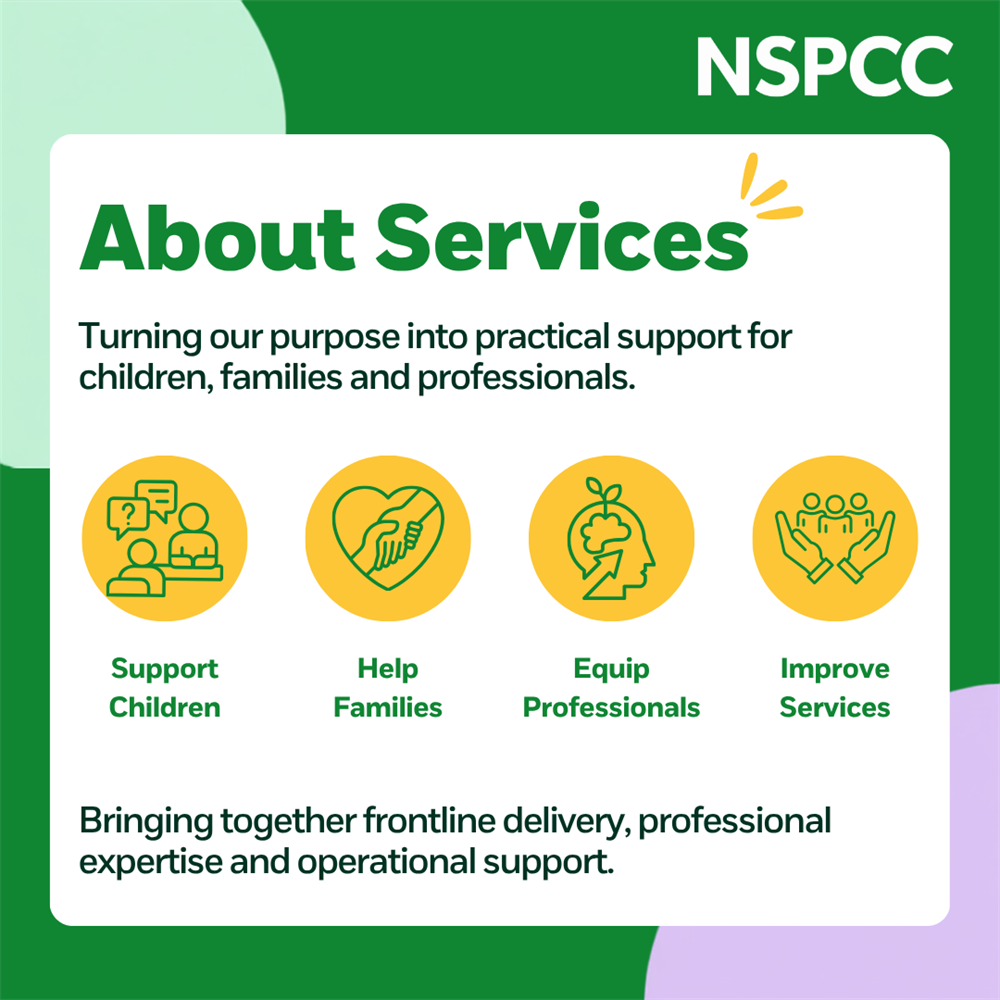
Our Services directorate turns the NSPCC’s purpose into practical support for children, families and the people working to protect them.

Across the UK, our teams provide support directly to children and young people, help adults respond to safeguarding concerns, work alongside families and communities, and give professionals the knowledge and confidence to keep children safe. Behind that work are colleagues providing the planning, insight, systems and operational expertise that help our services remain effective and continue to improve.

What we learn through delivering services matters too. By listening to children, families, professionals, colleagues and volunteers, we can understand what works, where things need to change and how we can strengthen the support we provide.

Whether your role puts you directly alongside children or enables others to deliver that work, you’ll be contributing to the same goal: creating safer experiences and better outcomes for children and young people.

man and woman talking

Our teams

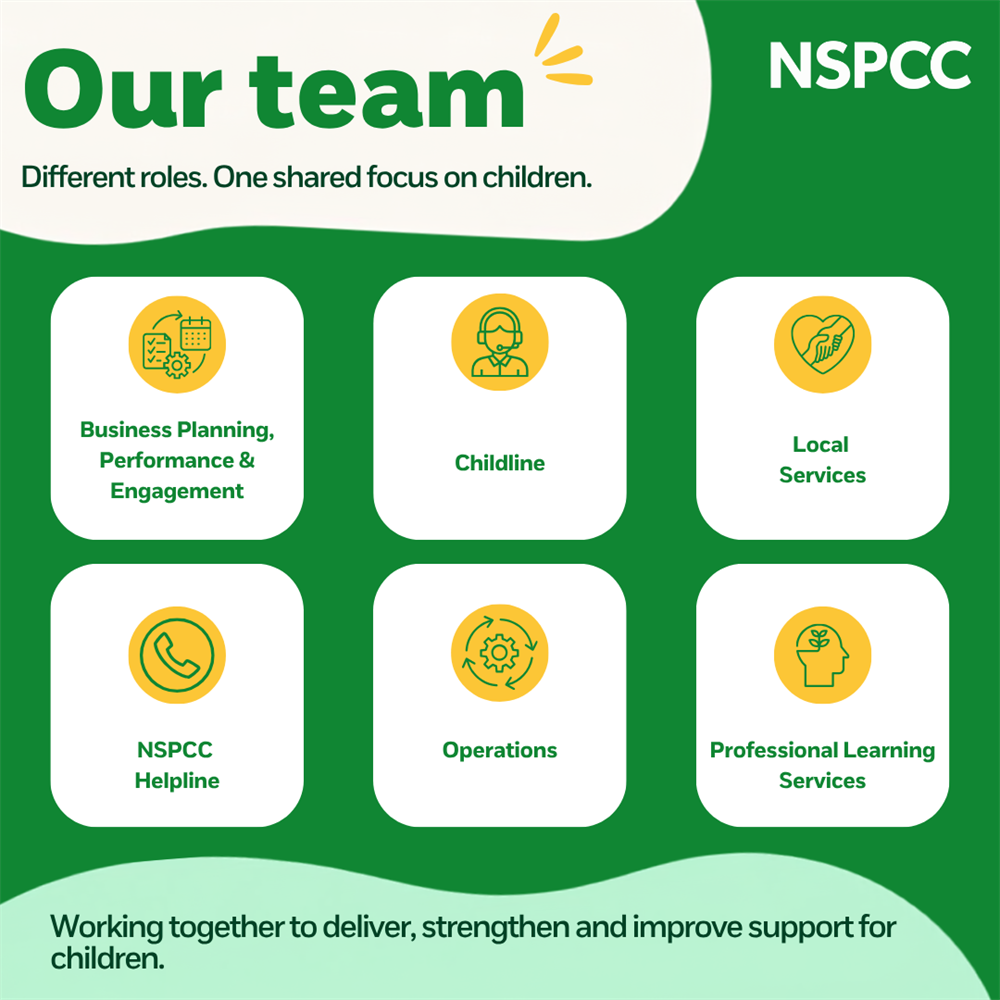
Our Services teams work across six areas, bringing together frontline delivery, professional expertise, insight and operational support to help us provide the best possible services for children.

  • Our Business Planning, Performance & Engagement team helps Services understand its impact and make informed decisions about what comes next.
    They bring together planning, performance insight, communications and engagement to help our services develop and improve. By understanding what our data and experience are telling us, they help colleagues focus resources, respond to changing needs and strengthen the difference our services make for children.
  • Childline gives children and young people a safe, confidential place to turn when they need someone to listen. Our professional colleagues work alongside trained volunteers to provide support by phone and online, helping children talk about whatever is happening in their lives.
    It’s work that calls for empathy, careful judgement and the ability to listen without assumption. Behind every conversation is the opportunity to help a child feel heard, understood and less alone.
  • Our Local Services teams work with children, families, schools and communities across the UK. They deliver services designed to prevent abuse, support children and families and help create safer communities. Their work combines direct practice with local knowledge, partnership working and a strong understanding of the different experiences and needs of the communities we serve. By listening, learning and working alongside others, they help make sure our mission translates into meaningful action locally.
  • The NSPCC Helpline is there for adults who are worried about a child.
    Our practitioners listen carefully, understand concerns and provide expert advice and guidance to help people decide what to do next. Where safeguarding action is needed, they work with relevant agencies to make sure concerns are shared appropriately. Every contact is different, so the work requires professional curiosity, sound judgement and the ability to respond sensitively when situations may be complex or uncertain.
  • Our Operations teams help create the conditions our services need to work effectively. They improve systems, processes and technology, support change and look for ways to make our services more efficient and effective.
    By solving operational challenges and continually improving how things work behind the scenes, they help frontline colleagues spend more of their time and expertise where it matters most.
  • Our Professional Learning Services team helps people and organisations develop the knowledge, skills and confidence they need to safeguard children. Through learning, training and consultancy, they turn specialist child protection expertise into practical support that professionals can use in their own organisations and communities. They continually develop what we offer, responding to evidence, feedback and changing safeguarding needs so that our learning remains relevant, useful and capable of creating lasting change.

What we’re looking for

Child-centred thinking 

Whatever your role, children are at the heart of why the work matters. You’ll think about how decisions, services and ways of working could affect children and young people. You’ll be willing to listen to their experiences and keep their needs in mind, even when you aren’t working with them directly.

Professional judgement

The right answer isn’t always immediately obvious. You’ll be able to consider information carefully, recognise when something needs further exploration and use your knowledge and judgement to decide what happens next. You’ll also be comfortable asking for support or another perspective when you need it.

Compassion and respect

People may come to our services during difficult or vulnerable moments.
You’ll approach children, families, colleagues and professionals without judgement, recognising that everybody’s circumstances and experiences are different. You’ll listen carefully and treat people with dignity, while maintaining the professional boundaries your role requires.

Reflective learning

Working with and for children means we should always be willing to learn. You’ll reflect on experiences, welcome feedback and share what you learn with others. When something could have gone better, you’ll be interested in understanding why – and in using that learning to strengthen your own practice and the services we provide.

Collaboration

Keeping children safe is never the responsibility of one person or one organisation. You’ll work constructively with colleagues, volunteers, professionals and partners, sharing knowledge and respecting the expertise others bring. You’ll know when to involve someone else and recognise that better outcomes often come from working together.

Resilience and adaptability

Services can be demanding, and circumstances can change quickly. You’ll be able to respond thoughtfully to changing needs and priorities while maintaining the quality of your work. You’ll understand the importance of looking after your own effectiveness, making use of the support around you and contributing to a culture where colleagues support one another.

View open roles

The application process

What to expect when you apply for a role with the NSPCC

 
Tell us if you have the
right to work in UK
 
arrow left
uk map
arrow right
 
Create an online account
Find the role you’re interested in and click ‘apply now’ on the job description page
question mark
person
 
Did you know?
Once you have created an account, you can dip in and out of this process and come back to it
 
Find the role you’re interested in and click ‘apply now’ on the job description page
down-arrow
Tell us if you have the
right to work in UK
down-arrow
Create an online account
down-arrow
Did you know?
Once you have created an account, you can dip in and out of this process and come back to it

 
Make sure you fill in all of the mandatory sections in full
 
arrow left
tick
arrow right
Log in to your
online account
 
exclamation mark
laptop
question mark
Please spend some time on the ‘Supporting Information’ section. Provide examples to evidence how your skills and experience meet our person specification, as we use ONLY this information to shortlist applicants for interviews.
 
Did you know?
If you meet our person specification and declare a disability, you’ll automatically be shortlisted for interview
 
Log in to your online account
down-arrow
Make sure you fill in all of the mandatory sections in full
down-arrow
Please spend some time on the ‘Supporting Information’ section. Provide examples to evidence how your skills and experience meet our person specification, as we use ONLY this information to shortlist applicants for interviews.
down-arrow
Did you know?
If you meet our person specification and declare a disability, you’ll automatically be shortlisted for interview

 
If not, you will
be invited to share your experience.
 
arrow left
thumb up
arrow right
conversation
 
folder
We’ll contact you either way to let you know if your application has been successful. If so, we’ll invite you to a panel interview.
question mark
If you’re through to interview, you should start gathering information you’ll need for the next stage of the process, like employment references and address history for the last five years
 
Did you know?
You can contact our People team on 0113 887 1122 if you have any questions about the process at this stage
 
We’ll contact you either way to let you know if your application has been successful. If so, we’ll invite you to a panel interview.
down-arrow
If not, you will be invited to share your experience
down-arrow
If you’re through to interview, you should start gathering information you’ll need for the next stage of the process, like employment references and address history for the last five years
down-arrow
Did you know?
You can contact our People team on 0113 887 1122 if you have any questions about the process at this stage

 
The interviews might be face-to-face or online, depending on the role
 
arrow left
person with laptop
arrow right
people
 
speach bubble thumbs up
Our interview processes will explore your skills, knowledge and values – and this can be done over more than one stage.
question mark
We’ll always provide feedback to all applicants following their interview, whether successful or not
 
Did you know?
Our interview panels are made up of the hiring manager for the role and a range of other relevant professionals selected from across our organisation
 
Our interview processes will explore your skills, knowledge and values – and this can be done over more than one stage.
down-arrow
The interviews might be face-to-face or online, depending on the role
down-arrow
We’ll always provide feedback to all applicants following their interview, whether successful or not
down-arrow
Did you know?
Our interview panels are made up of the hiring manager for the role and a range of other relevant professionals selected from across our organisation

 
If you’re successful, we’ll give you a conditional offer, and ask for more info so we can complete our safeguarding checks and referencing procedures
 
arrow left
hand shake
arrow right
speech bubbles
 
loud hailer
You’ll hear directly from the hiring manager after your interview, with feedback if unsuccessful
question mark
You can contact your hiring manager directly at any point during this stage.
 
Did you know?
We do this for all roles – some are more in-depth than others – and we can’t make any final offers until these are completed
 
You’ll hear directly from the hiring manager after your interview, with feedback if unsuccessful
down-arrow
If you’re successful, we’ll give you a conditional offer, and ask for more info so we can complete our safeguarding checks and referencing procedures
down-arrow
You can contact your hiring manager directly at any point during this stage.
down-arrow
Did you know?
We do this for all roles – some are more in-depth than others – and we can’t make any final offers until these are completed

 
Due to the nature of our work, it is important we complete a variety of checks and vetting procedures, which will vary with each type of role.
 
arrow left
clipboard
arrow right
refresh
 
reading
While the referencing process is taking place, we’ll regularly update you on its status
question mark
We’ll also share a welcome pack, so you can start getting a feel for the role and our organisation before you start
 
Did you know?
We need to rely on third parties to complete criminal records checks, and this can cause delays outside of our control (sometimes around 6-8 weeks).
 
While the referencing process is taking place, we’ll regularly update you on its status
down-arrow
Due to the nature of our work, it is important we complete a variety of checks and vetting procedures, which will vary with each type of role.
down-arrow
We’ll also share a welcome pack, so you can start getting a feel for the role and our organisation before you start
down-arrow
Did you know?
We need to rely on third parties to complete criminal records checks, and this can cause delays outside of our control (sometimes around 6-8 weeks).

 
They’ll email you with all the details you need before you start, including your contract of employment and your start date
 
arrow left
calendar
arrow right
speaking
 
laptop
Your hiring manager will get back to you directly to confirm your final offer
question mark
You’ll receive an induction email – with a welcome message from our CEO, information on what to expect, your team, available training and groups you can join
 
Did you know?
Once you start, we’ll email you with a link to the ‘New starters’ page on our intranet, the Green.
 
Your hiring manager will get back to you directly to confirm your final offer
down-arrow
They’ll email you with all the details you need before you start, including your contract of employment and your start date
down-arrow
You’ll receive an induction email – with a welcome message from our CEO, information on what to expect, your team, available training and groups you can join
down-arrow
Did you know?
Once you start, we’ll email you with a link to the ‘New starters’ page on our intranet, the Green.

final step
man on phone

Find roles near you

Have a look at our open roles near where you live:

1 miles

Prefer to work from home?

Talent Pools

We usually have a wide range of opportunities and we’re always on the lookout for great talent! Please join our talent pool so we can keep you updated on what is happening at NSPCC and let you know about any future roles that come up.

Welcome, I'm the NSPCC Bot and I'm here to help